How Long Does The Custom Home Build Process Take in Houston?
Table of Contents
"How long does it take to build a custom home in Houston?" This is one of the first things we hear from prospective clients. And while it's a reasonable question, the honest answer is that it depends. Every custom home is different. Site conditions vary. Design requirements change. Permitting timelines fluctuate. That said, most custom homes we build in Houston follow a similar overall timeline.
Most homeowners should expect a total timeline of approximately thirteen to sixteen months from the moment they begin seriously planning their project to the day they move into their new home. Understanding the full custom home build process helps set realistic expectations and creates a much smoother experience from start to finish.
The Phases of a Custom Home Build Process
Many homeowners think the project begins when construction starts. In reality, the most important work often happens long before the foundation is poured.
Phase One: Pre-Construction
Pre-construction is where successful projects are built on paper before they're built in the field. This phase typically includes lot acquisition or evaluation, architectural design, engineering, interior selections, budget development, contract finalization, and permitting and approvals.
While it may feel like little progress is happening during this stage, pre-construction lays the foundation for everything that follows.Rushing through pre-construction often creates delays later in the project that are far more costly than taking the time to do it right upfront.
Phase Two: Foundation and Framing
Once permits are secured and site work is complete, construction officially begins. The foundation is poured first, creating the structural base of the home. Framing follows shortly after and is often one of the most exciting milestones for homeowners. Within a matter of weeks, floor plans that existed only on paper begin taking physical shape and the home starts feeling real.
Phase Three: Dry-In and Mechanical Systems
After framing is complete, the home is "dried in." This includes installing roof decking, windows, and exterior doors. With the structure protected from weather, mechanical systems can begin. Known throughout the industry as MEPs, this phase includes mechanical (HVAC), electrical, and plumbing. These systems are installed throughout the walls and ceilings before anything is covered.
Phase Four: Insulation and Drywall
Once inspections are complete, insulation is installed followed by sheetrock. This is the stage where the home begins transitioning from a construction site into a living space. Rooms become clearly defined, and homeowners can better visualize how the finished home will function.
Phase Five: Interior Finishes
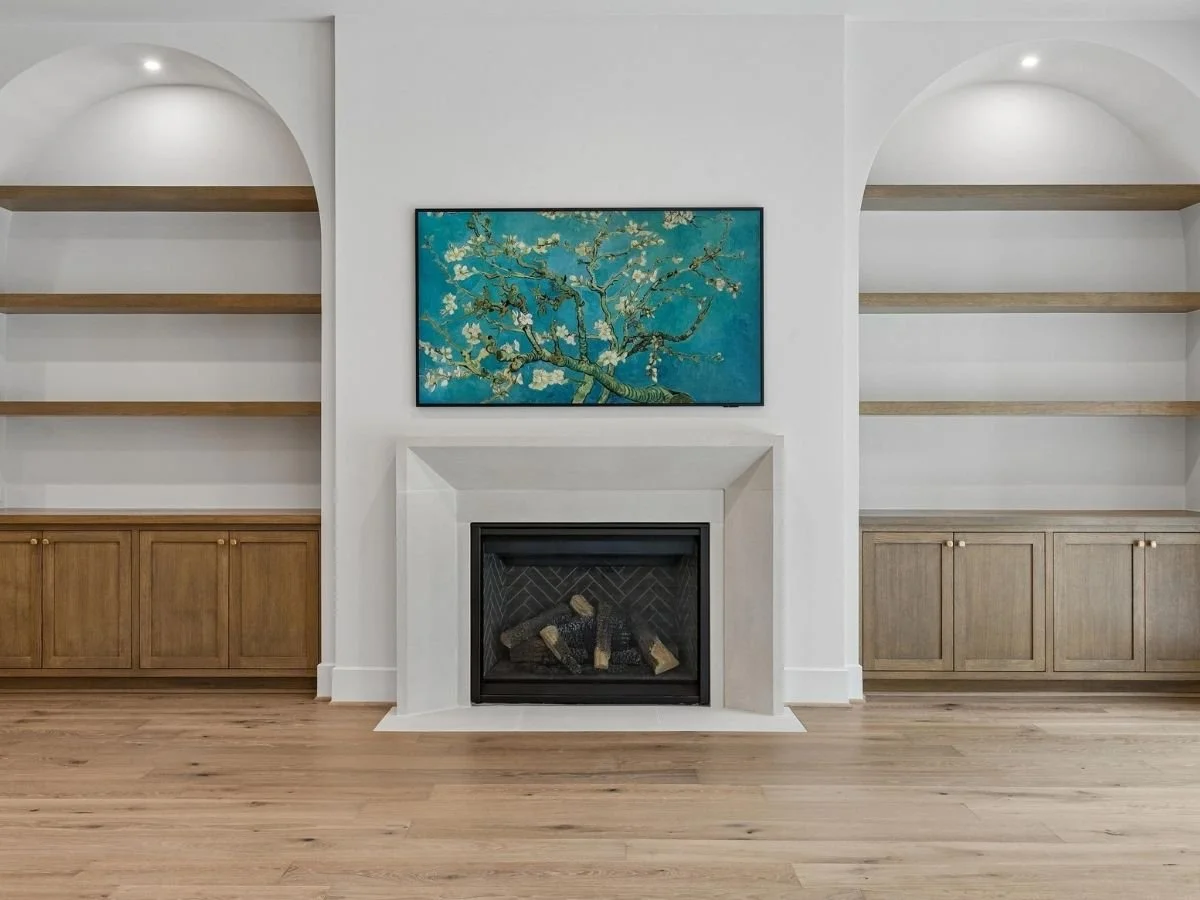
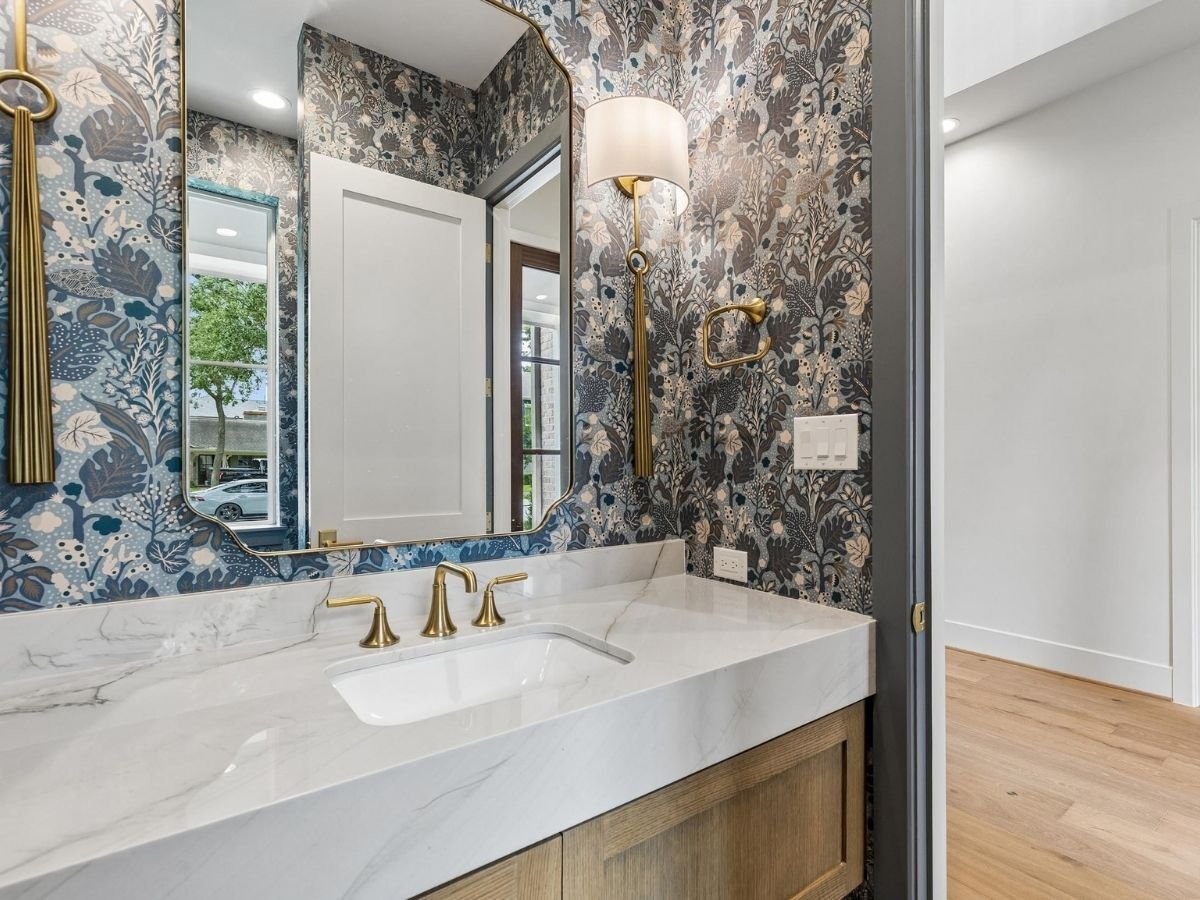
This is where the home really comes to life. Interior finishes typically include trim carpentry, cabinetry, paint, flooring, tile, countertops, fixtures, hardware, and appliances. Each trade must be carefully sequenced to keep the project moving efficiently. The final step is a detailed punch list process, where every remaining item is identified, corrected, and completed before move-in day.
What Can Extend a Custom Home Timeline?
While every project begins with a carefully developed schedule, several factors can impact timing along the way.
Houston Weather
Houston receives nearly fifty inches of rainfall annually. Heavy rain can delay foundation work, site preparation, framing, and other exterior activities. Hurricane season can also create unexpected disruptions that no builder can fully control.
Site Conditions
Every lot comes with its own set of challenges. Teardown projects, mature trees, elevation changes, buried utilities, and unforeseen site conditions can all influence the timeline once construction begins.
Design Changes During Construction
One of the most common causes of delays is making significant design changes after construction is underway. A floor plan adjustment or structural modification may seem minor on paper, but it often creates a domino effect involving engineering revisions, permit updates, material orders, and subcontractor scheduling. The later a change occurs, the greater its impact on both schedule and budget.
Permitting and Approvals
Houston's permitting environment has become increasingly complex over the years. Experienced builders account for these realities during project planning and build realistic contingencies into the schedule rather than relying on best-case scenarios.
Deciding where to build? Check out this blog on building in the best neighborhoods.
How Aspire Keeps Projects Moving
Keeping a project on schedule is all about planning. We map the entire project sequence during pre-construction, identifying opportunities for multiple phases to run concurrently rather than waiting for one task to finish before another begins.
We also maintain constant communication with our trade partners, confirming schedules well in advance so crews are ready when their phase begins. Cabinets are a good example. Many builders rely on cabinetry built onsite, which can require ten to twelve weeks of installation and production time.
Our process allows cabinetry to be measured early and built offsite while other construction activities continue. By the time the home reaches the cabinetry phase, installation can often be completed within days rather than months. These kinds of strategic decisions help compress schedules without compromising quality.
How to Protect Your Move-In Date
If you have a specific move-in goal, you need to treat pre-construction as seriously as construction itself. The homeowners who stay on schedule are typically the ones who finalize plans before construction begins, complete selections on time, attend meetings prepared, and respond quickly to questions.
Once the build begins, your role shifts from making major design decisions to supporting the process with timely communication and clear direction. When homeowners and builders approach the project with that mindset, move-in dates become far more predictable.
The Timeline Is a Result of the Process
A thoughtful, well-executed custom home build process takes time. When the process is managed correctly, you end up with a home delivered with fewer surprises, better communication, and a far more enjoyable experience along the way. And in custom home building, that's time well spent.
Interested in working with us? Reach out today and let’s build something together.