Table of Contents
If you're interviewing builders for your new home, there's one question we recommend asking right away: "Can I change the foundation footprint?" If the answer is anything other than yes, you're probably not talking to a true custom home builder. You're talking to a semi-custom builder. And there's nothing wrong with that, as long as you know what you're buying.
The terms custom and semi-custom have become increasingly blurred in the homebuilding industry. Some builders advertise custom homes when what they're really offering is a selection of floor plans with predetermined options and finishes. Both approaches can produce beautiful homes, but they're fundamentally different experiences.
At Aspire Fine Homes, we believe homeowners deserve to understand those differences before beginning their homebuilding journey. Here's what you should know about custom vs. semi-custom homes, including how each approach affects your design, budget, timeline, and overall experience.
What Is a Semi-Custom Home?
A semi-custom home typically starts with an existing floor plan from a builder's collection. These plans have often been built dozens or even hundreds of times, allowing the builder to refine the engineering, materials, and construction process. That repetition creates efficiency, which is one of the biggest advantages of semi-custom construction.
Homeowners generally have opportunities to personalize certain elements of the design. You might choose your cabinet colors, countertops, flooring, and other finishes. Depending on the builder, you may also be able to select from predetermined options, such as adding a bedroom, expanding a covered patio, or reversing the floor plan to better fit your lot. However, those choices usually exist within an established framework.
The foundation footprint, structural layout, ceiling heights, and window placements are largely predetermined. If you want to move a load-bearing wall, completely reconfigure the kitchen, or substantially change how the home sits on your property, you may discover that those changes aren't available.
Essentially, you're customizing a home the builder has already designed rather than creating an entirely new one.For homeowners who like an existing floor plan and want a more streamlined building experience, that can be an excellent option.
What Is a True Custom Home?
A truly custom home starts with a blank sheet of paper. Or, more accurately, it starts with you. Instead of choosing from a builder's existing floor plans, you work with an architect or designer to create a home around your lifestyle, preferences, and property.
That process begins with questions about how you actually live. Do you cook dinner at home every night? Do you work remotely and need a dedicated office? Do you regularly host large family gatherings? Would you love to wake up to morning sunlight in your primary bedroom? Those answers influence the home's layout, functionality, and overall design.
Your property plays an equally important role. The location of mature trees, the slope of the land, the direction of natural sunlight, and local building setbacks can all shape how your home is positioned and designed. And because the design isn't limited to an existing plan, structural decisions are part of the conversation from the beginning.
Want a dramatic great room with structural steel supporting an open layout? An oversized pivot front door? Unique ceiling heights or a completely customized kitchen? Those possibilities can be explored as part of the design process rather than treated as exceptions to an established floor plan.
Of course, every decision still needs to account for engineering, local requirements, and budget. But the important distinction is that the design begins with your vision rather than a predetermined list of options.
How Does the Building Experience Differ?
One of the biggest differences between custom and semi-custom construction is the relationship between the homeowner and the builder. With a semi-custom home, you're typically purchasing a product the builder has already developed. You select the plan and available finishes, and the builder delivers that home according to its established process.
With a true custom home, the builder becomes a partner in creating something that doesn't exist yet. You're collaborating on a project that's being designed specifically for you, which often involves more conversations about architecture, functionality, materials, engineering, and construction details. Some custom builders also offer open-book pricing or greater visibility into project costs, depending on their business model.
Neither approach is inherently better. They're simply different products and experiences.
What Are the Pros and Cons of Custom vs. Semi-Custom Homes?
Both approaches offer advantages, and understanding the tradeoffs can help you determine which makes the most sense for your priorities.
Advantages of Semi-Custom Homes
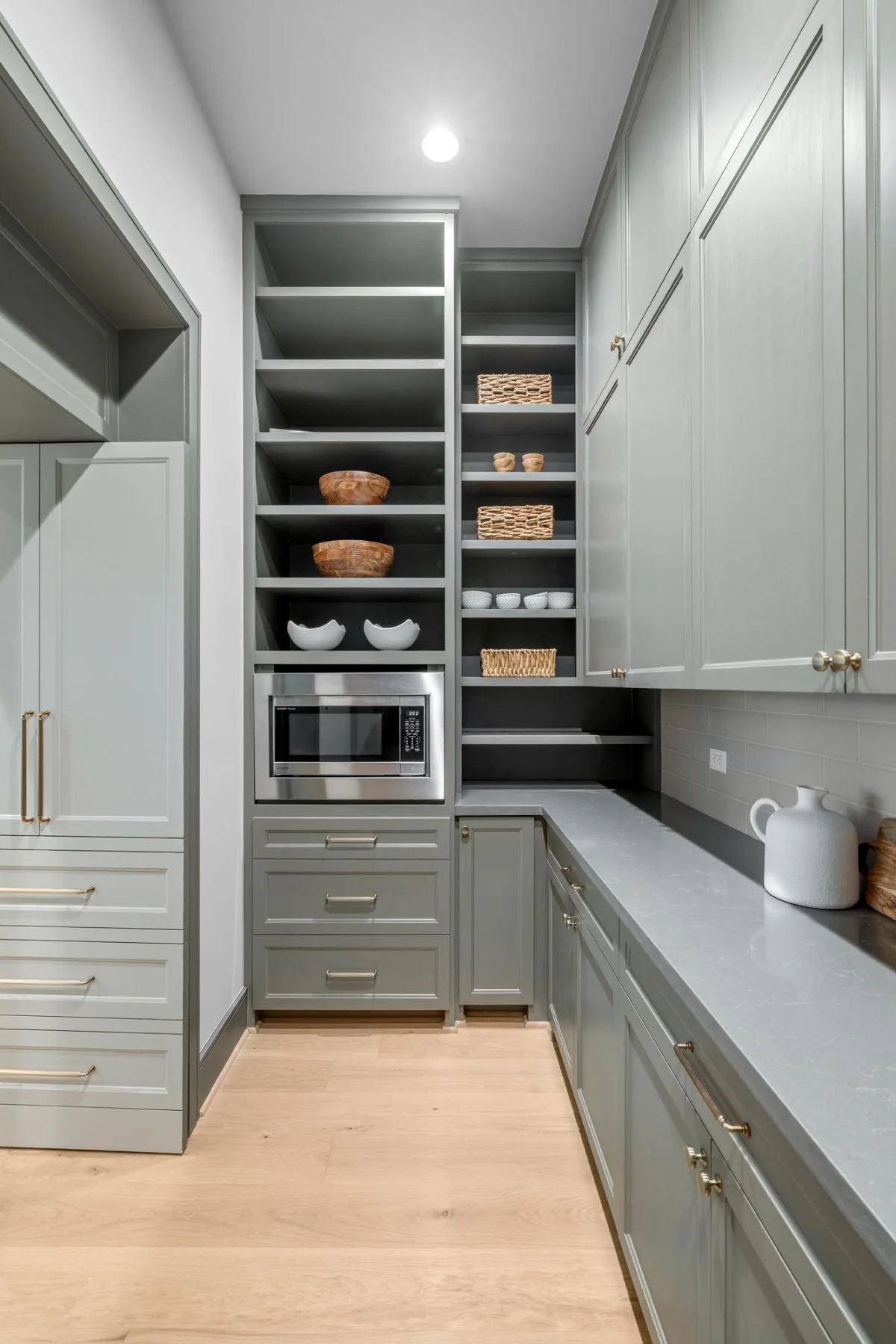
One of the biggest benefits of semi-custom construction is efficiency. Because the builder has already developed and engineered the floor plan, much of the initial design work has been completed. That can shorten the overall timeline and reduce the number of decisions homeowners need to make.
Semi-custom homes are also typically less expensive per square foot than fully custom homes. Builders can leverage established designs, familiar construction methods, and repeated material selections to create more predictable pricing.
For homeowners who prioritize a faster timeline, a more straightforward process, and a lower price point, semi-custom construction may be the right fit. The tradeoff is flexibility. You're generally limited to the layouts, structural features, and options the builder makes available.
Learn more about a semi-custom option with Aspire here!
Advantages of Custom Homes
The biggest advantage of a true custom home is the freedom to create something designed entirely around your life. You're not trying to make your lifestyle fit an existing floor plan. Instead, the floor plan is designed to accommodate how you want to live.
You also have greater flexibility to respond to the unique characteristics of your property, whether that means capturing a particular view, preserving mature trees, or maximizing natural light. And because the home is designed specifically for you, the finished result offers a level of individuality that repeated floor plans generally can't match.
Of course, that flexibility comes with additional time, decisions, and investment. Custom home design can take several months before construction begins, and the overall cost is typically higher because the architecture, engineering, and craftsmanship are being developed for a one-of-a-kind project.
For homeowners who value personalization, architectural distinction, and a home tailored to their long-term needs, those tradeoffs are often worthwhile.
Can You Build a Custom Home From an Existing Floor Plan?
Absolutely. One common misconception is that a custom builder can't offer existing floor plans. In reality, a true custom builder may have plans available to help homeowners explore ideas or streamline the initial design process. The difference is whether those plans can be substantially changed.
If you find a floor plan you love, a custom builder should be willing to explore structural modifications, layout changes, and other adjustments to make the home work for you. That might mean relocating walls, changing the foundation footprint, reconfiguring rooms, or modifying the design to better suit your property.
Starting with an existing plan doesn't automatically make the experience semi-custom. What matters is whether you're limited to that plan or have the freedom to make it your own.
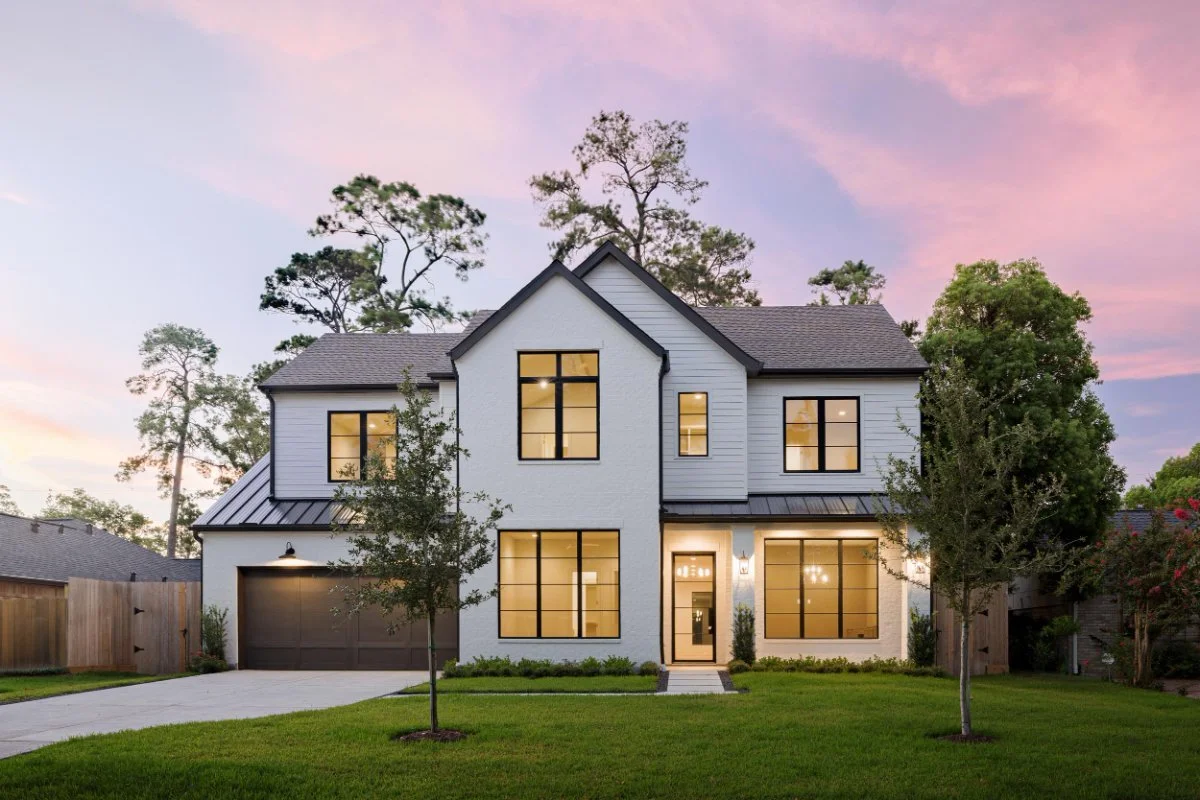
What Questions Should You Ask a Custom Home Builder?
If you're interviewing builders who advertise custom homes, a few simple questions can help you understand what they're actually offering.
1. Can I change the foundation footprint?
This is one of the clearest ways to distinguish between custom and semi-custom construction. If the builder can't accommodate changes to the foundation footprint, you're likely working within an established plan.
2. Can we design my home from scratch?
Ask whether the builder can begin with a completely original design or whether you must select from an existing floor plan collection. A true custom builder should be comfortable starting with a blank sheet of paper.
3. Can I make structural changes to an existing plan?
If you're considering one of the builder's existing designs, ask whether you can relocate walls, change ceiling heights, or substantially modify the layout. The answers will help you understand how much flexibility you actually have.
These questions aren't intended to disqualify semi-custom builders. They're simply a way to make sure the experience being advertised matches what you want.
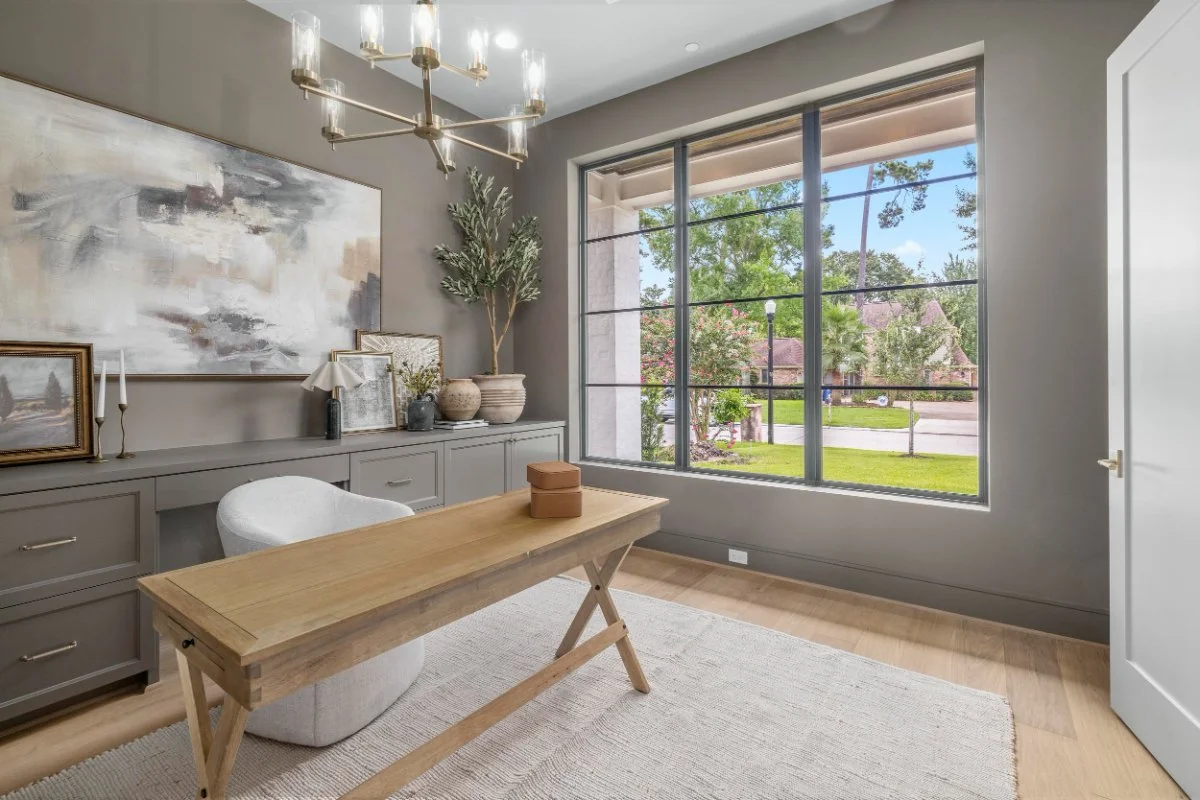
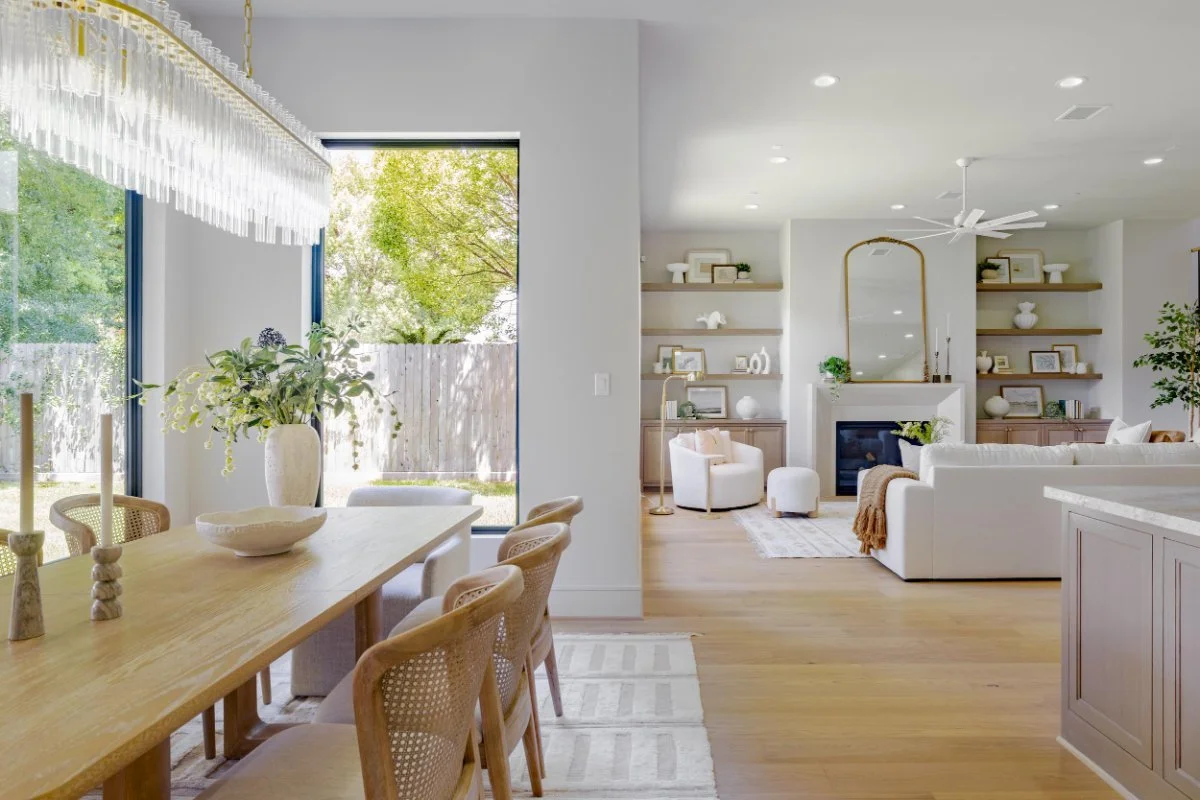
Is a Custom or Semi-Custom Home Right for You?
Ultimately, the decision comes down to your priorities. If you love an existing floor plan, want predictable pricing, and prefer a faster, more streamlined process, a semi-custom home may be exactly what you're looking for.
But if you want a home designed around your family's lifestyle, your architectural preferences, and the unique characteristics of your property, a true custom home offers a different level of possibility.
If you're considering building a custom home in Houston, we'd love to learn more about your vision and help you explore what's possible. Contact Aspire Fine Homes to start the conversation about creating a home that's uniquely yours.